Why Some People Barely Sweat During the Same Workout That Drenches Everyone Else
Quick Answer: Sweat rate is influenced by genetics, fitness level, heat acclimatization, and individual sweat gland density and sensitivity, meaning two people doing the identical workout at the same intensity can have genuinely different visible sweat output — it’s largely not a reliable indicator of effort or fitness on its own.
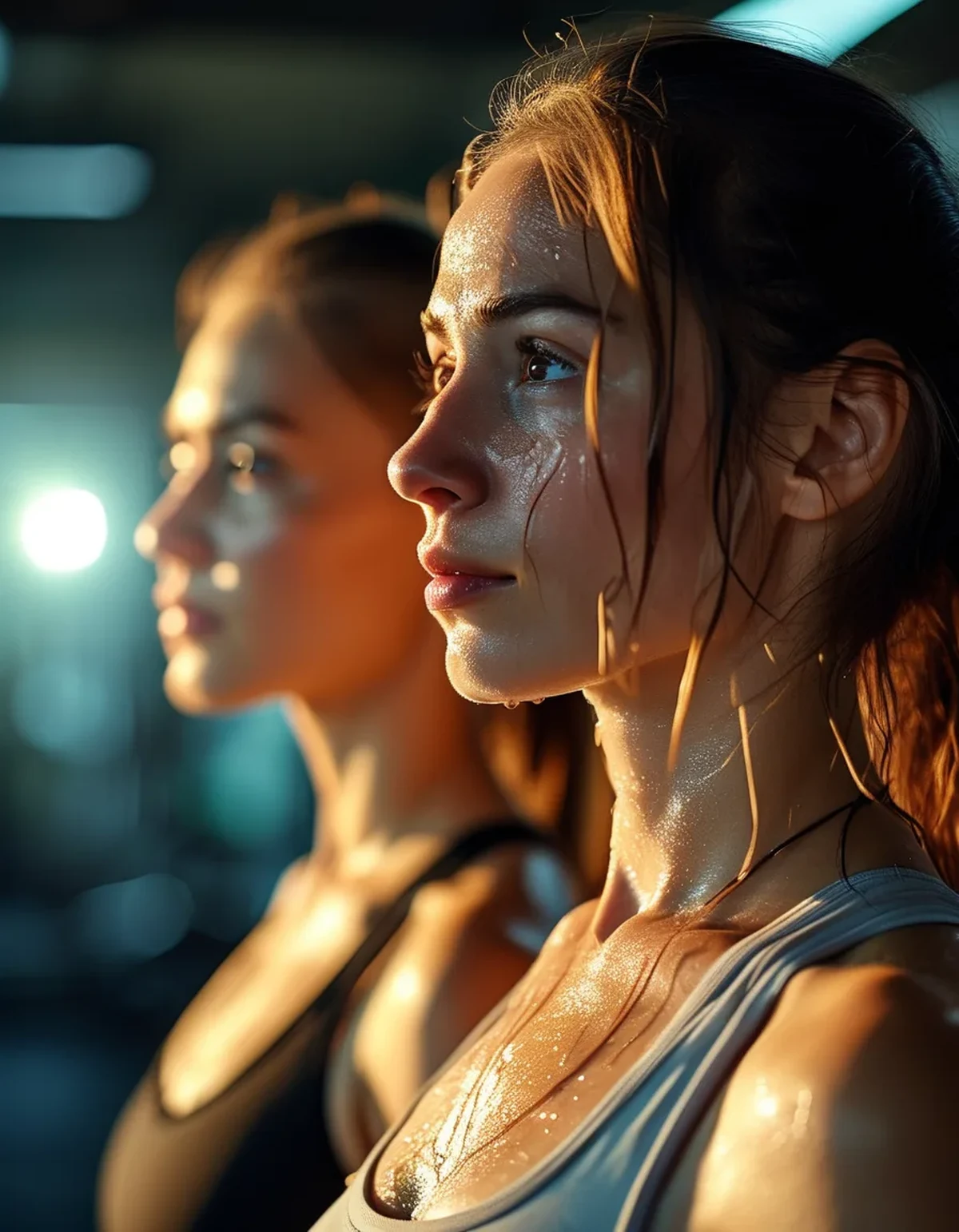
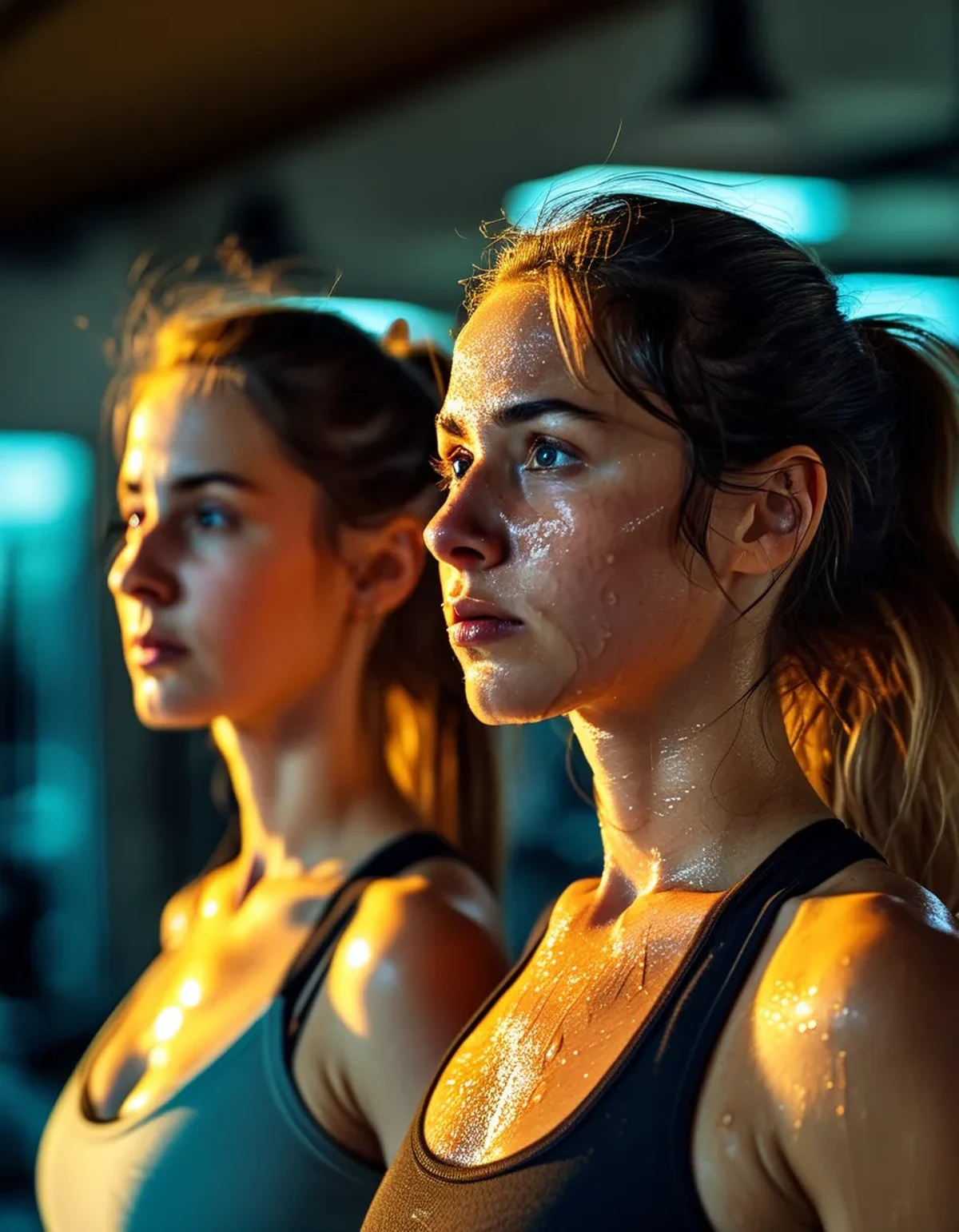
Same class, same intensity, same instructor cues — and one person is drenched by the warmup while the person next to them barely looks like they’ve started.
Does genetics really explain a meaningful part of sweat rate variation?
Yes, significantly — the number of active sweat glands a person has, largely determined by genetics and early childhood heat exposure during a developmental window, varies considerably between individuals, and more active sweat glands generally means more visible sweat output for a given level of heat and exertion, independent of fitness level or effort.
Does being more physically fit actually mean sweating more or less?
It’s more nuanced than a simple more-or-less relationship — well-trained, heat-acclimatized individuals often start sweating sooner and more efficiently in response to rising core temperature, which is actually a sign of a well-adapted cooling system, but they may also sweat more efficiently per gland, meaning total visible sweat volume doesn’t map cleanly onto fitness level in an obvious way.
What does heat acclimatization specifically change about sweat response?
Someone who regularly trains in heat develops a lower core-temperature threshold for triggering sweating (starting to sweat sooner, which cools the body more proactively) along with sweat that’s often more dilute in electrolyte content, since the body adapts to conserve sodium during extended heat exposure — both changes are functional adaptations, not signs of working harder or less hard.
Myth vs Fact: Sweat Rate and Workout Intensity
Myth: sweating more during a workout always means working harder or burning more calories. Fact: sweat volume is influenced by many individual factors unrelated to effort, including genetics and acclimatization, making it an unreliable direct measure of exercise intensity or calorie burn.
Myth: someone who barely sweats isn’t working hard enough. Fact: efficient, well-acclimatized sweat response can sometimes mean less visible sweat for the same physiological cooling effect, not necessarily lower effort.
Myth: sweat rate stays constant for a given person across all conditions. Fact: humidity, clothing, hydration status, and recent heat exposure all shift an individual’s sweat rate significantly session to session.
Are there other factors, beyond genetics and fitness, that affect this variation?
Body size and surface area, current hydration status, ambient humidity (which affects how effectively sweat can evaporate and therefore how much the body produces to compensate), and even certain medications all independently influence sweat rate, layering additional variation on top of the baseline genetic and fitness-related differences between individuals.
FAQ: Individual Sweat Rate Differences, Answered
Is it possible to train the body to sweat more or is it fixed?
Sweat response can shift somewhat with heat acclimatization training over weeks, generally toward earlier and more efficient sweating, though baseline sweat gland density itself doesn’t meaningfully change in adulthood.
Does sweating less mean someone is at higher risk of overheating?
Not necessarily on its own, since efficient evaporative cooling matters more than raw volume, though very low sweat output combined with symptoms of overheating is worth taking seriously and discussing with a healthcare provider.
Is there a way to actually measure whether low sweat output is a problem versus just individual variation?
Tracking core symptoms (dizziness, excessive fatigue, overheating signs) rather than sweat volume alone is more medically relevant; a doctor can evaluate further if there’s genuine concern beyond normal individual variation. This is general information, not medical advice.
TL;DR:
- Genetic differences in active sweat gland density significantly affect visible sweat output
- Fitness and heat acclimatization change sweat efficiency, not simply how much someone sweats
- Acclimatized bodies often start sweating sooner with more dilute, sodium-conserving sweat
- Sweat volume is not a reliable direct measure of workout effort or intensity
- Body size, humidity, hydration, and medication all add further individual variation
How much someone visibly sweats says far less about effort than it seems to in the moment.
Keep Reading
This article is for general informational and styling purposes only. Fit, sizing, and product availability may vary.